Every solo practice has one. The front-office veteran who knows that this payer downgrades posterior composites, that one always wants a perio chart, that this one pays in twelve days and that one in forty-five, which appeals are worth filing and exactly how to word them. They’ve spent years building that knowledge. Your collections quietly run on it.
And if you’re the dentist who owns the practice, you’ve probably had the thought you don’t say out loud: what happens if they leave?
The knowledge that lives in one head
It’s worth naming what that person actually does, because it’s real and it’s hard. Insurance in dentistry isn’t one set of rules — it’s hundreds of payers, each with its own frequencies, downgrade games, documentation demands, and payment patterns. None of it is written down in one place. Most of it isn’t written down at all. It gets learned, claim by claim, denial by denial, over years. Your senior biller is, in effect, a living database of how every payer you deal with really behaves.
That’s enormous value. It’s also a single point of failure sitting in one person’s memory.
The dependency tax you pay every day
You feel it in small ways long before you feel it in a big one:
- You can’t take a real vacation from your own revenue. When they’re out sick or away for a week, claims slow, posting backs up, appeals don’t get filed — and the payer’s appeal window keeps burning whether anyone’s at the desk or not.
- You can’t actually evaluate the work, because you don’t know what you don’t know. If collections are soft, is it the payers, the process, or something being missed? You’re trusting, not verifying — not because you want to, but because the knowledge isn’t yours to check.
- You feel the leverage every time compensation comes up. You’re not negotiating with an employee; you’re negotiating with the only person who knows how your practice gets paid.
- And the day they mention they might move, or retire, or just sound tired of it — your stomach drops. They’d be taking years of payer knowledge out the door, and you’d be rebuilding it from zero.
None of this is their fault, and it’s no reason to think less of a loyal, skilled team member. It’s a structural problem: the system you inherited made one person irreplaceable, and that’s a dangerous place for a business to live. It’s the same knowledge-walks-out-the-door problem every practice carries — concentrated, in a solo office, onto the single function that pays for everything else.
What changes when the knowledge lives in a system
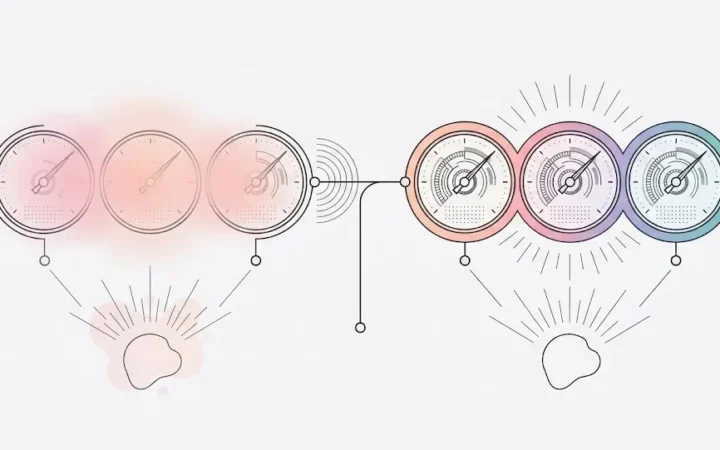
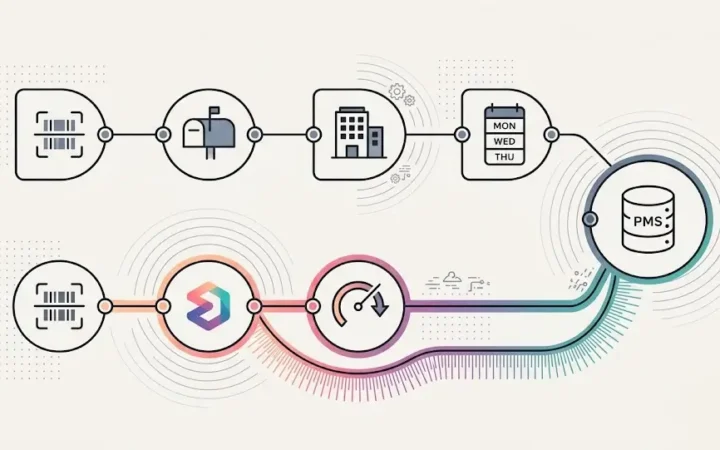
The reason that knowledge is fragile is that it lives in a head instead of in a system your practice owns. ELVA learns how each of your payers actually behaves — not from a manual, but from your own claim history, the same way your veteran biller did. Except it never forgets, never gets it slightly wrong on a Friday afternoon, and never resigns. It reads your remittances as they come in, posts the clean ones, surfaces denials immediately with the reason and next step in denials management, and catches the underpayments that normally slip by. When something genuinely needs human judgment, it hands it over with the full context — instead of guessing.
What that means for you, the owner:
- You can lose a team member without losing your revenue. The payer knowledge stays. The practice doesn’t reset to zero.
- You can take a vacation. The work doesn’t stop because one desk is empty.
- You can see your own practice again. Your real denial rate, which payers underpay you, what’s sitting in appeals — answers, not a shrug.
- Your best person gets freed too. They stop being the bottleneck and the single point of failure, and start doing the work that actually needs a human — talking to patients, handling the genuinely tricky cases — instead of keying EOBs and carrying the whole payer rulebook in their head.
This isn’t about replacing the people who’ve been loyal to you. It’s about making sure your practice isn’t held hostage — by a resignation letter, a sick week, or a memory you can’t back up.
You became a dentist to practice dentistry
Not to lie awake wondering what happens to your collections if one person leaves. Not to be the owner who doesn’t understand how his own practice gets paid. The independence you wanted when you opened your own doors shouldn’t depend on whoever’s sitting at the front desk this week.
ELVA gives that independence back. The knowledge becomes the practice’s. The work gets done. And the quiet fear you’ve been carrying — the one you don’t say out loud — finally goes away. See how it works at ELVA Insurance.
Frequently Asked Questions
What happens when your dental biller leaves?
In most practices, years of payer knowledge leave with them — which carriers downgrade what, what documentation each one demands, which appeals are worth filing. Claims slow, denials pile up, and the practice rebuilds that knowledge from zero. Unless the knowledge lives in a system the practice owns rather than in one person’s memory.
Why is one biller such a big risk for a solo practice?
Because payer behavior isn’t written down anywhere — it’s learned claim by claim over years, and in a solo office it usually lives in exactly one head. That makes your collections dependent on one person’s presence, accuracy, and continued employment: a single point of failure on the function that pays for everything else.
How does ELVA capture a biller’s payer knowledge?
The same way the biller learned it — from your practice’s own claim history — but systematically: ELVA learns how each payer actually adjudicates, keeps that knowledge current with every new remittance, and makes it auditable and owned by the practice, so it never walks out the door.
Does this replace my billing person?
No — it frees them. The keying, the routine posting, the payer-rulebook memorization move to the system; your best person moves to the work that genuinely needs a human: patients, judgment calls, the tricky cases. The change is that they stop being a single point of failure.
Can the owner verify the billing work without being an insurance expert?
Yes — that’s the point. Your real denial rate, underpayments by payer, and what’s sitting in appeals become visible to you directly, so you’re verifying instead of trusting. You don’t need to learn payer rules; you need a system that knows them and shows you the result.
Own the knowledge, not the risk. See ELVA Insurance — and the other half of the solo story: do you actually know what insurance owes you?